Digital Literacy & Online Safety
Basics of Intellectual Property: Copyright, Fair Use, and Attribution
Every day, people create and share digital content: photographs, videos, articles, music, designs, social media posts, educational materials, and even AI-generated works. At the same time, millions of users reuse, remix, and distribute existing content across digital platforms. This raises important questions:
Who owns digital content?
When is it acceptable to reuse someone else's work?
How should creators be credited?
What responsibilities do we have when sharing content online?
These questions are addressed through intellectual property (or IP), a set of legal and ethical principles that protect creative work while allowing knowledge and culture to be shared.
Understanding Copyright, Fair Use, and Attribution
Understanding the basics of intellectual property is an essential digital competence. Whether you are creating content for a social initiative, designing educational materials, managing social media campaigns, or experimenting with emerging technologies such as Artificial Intelligence and NFTs, respecting the work of others helps build trust, credibility, and responsible digital citizenship.
In this section, we will explore three key concepts: copyright, fair use, and attribution, and learn how they apply to everyday digital creation.
What Is Intellectual Property?
🛡️ Intellectual property (IP) refers to creations of the human mind that can be legally protected. These creations may include:
• Written works such as articles, books, and blog posts;
• Photographs and illustrations;
• Music and audio recordings;
• Videos and films;
• Software and digital applications;
• Educational resources;
• Graphic designs and visual branding materials.
🪄 Intellectual property laws help creators maintain control over how their work is used while encouraging innovation and creativity.
Copyright: Protecting Creative Work
Copyright is one of the most common forms of intellectual property protection.
💡 In many countries, copyright protection begins automatically when an original work is created. Registration is often not required for basic protection.
©️ Copyright typically gives creators the exclusive right to reproduce their work, distribute copies, publish or share the work publicly, create modified or adapted versions, and authorize others to use their work.
❕For example, if a photographer uploads an original image online, other users cannot automatically assume they have permission to copy, edit, or redistribute it.
⚠️ The fact that content is publicly available on the internet does not mean it is free to use ⚠️
Understanding Fair Use and Fair Dealing
Some legal systems recognize exceptions that allow limited use of copyrighted material without obtaining permission from the creator.
These exceptions are often referred to as fair use or fair dealing, depending on the country.
❕Examples may include criticism and commentary, news reporting, educational activities, research, and parody and satire.
⚠️ However, fair use is not a simple rule that automatically permits any educational or non-commercial use.
Courts and legal authorities may consider the following factors:
🔹The purpose of the use;
🔹The amount of the original work being used;
🔹Whether the new use transforms the original content;
🔹The potential impact on the creator's ability to benefit from their work.
✔️ Because rules vary across jurisdictions, it is often safest to use only the amount of material necessary and to seek permission when uncertainty exists.
Using Openly Licensed Content
Many creators choose to make their work available under open licenses that allow others to reuse it under specific conditions.
One of the most common systems is Creative Commons (CC).
Different Creative Commons licenses may:
- Allow reuse with attribution;
- Permit modification and adaptation;
- Restrict commercial use;
- Require derivative works to be shared under the same license.
⚠️ Before using any resource, always review its license conditions carefully ⚠️
The Importance of Attribution
Attribution means clearly acknowledging the original creator of a work.
Providing attribution is both an ethical practice and a professional habit. It demonstrates respect for the creator's effort and allows others to verify the source of information.
💡 For a good attribution, follow the TASL acronym
✔️ Title
✔️ Author
✔️ Source
✔️ License
paired with a link to the original material when possible.
For instance:
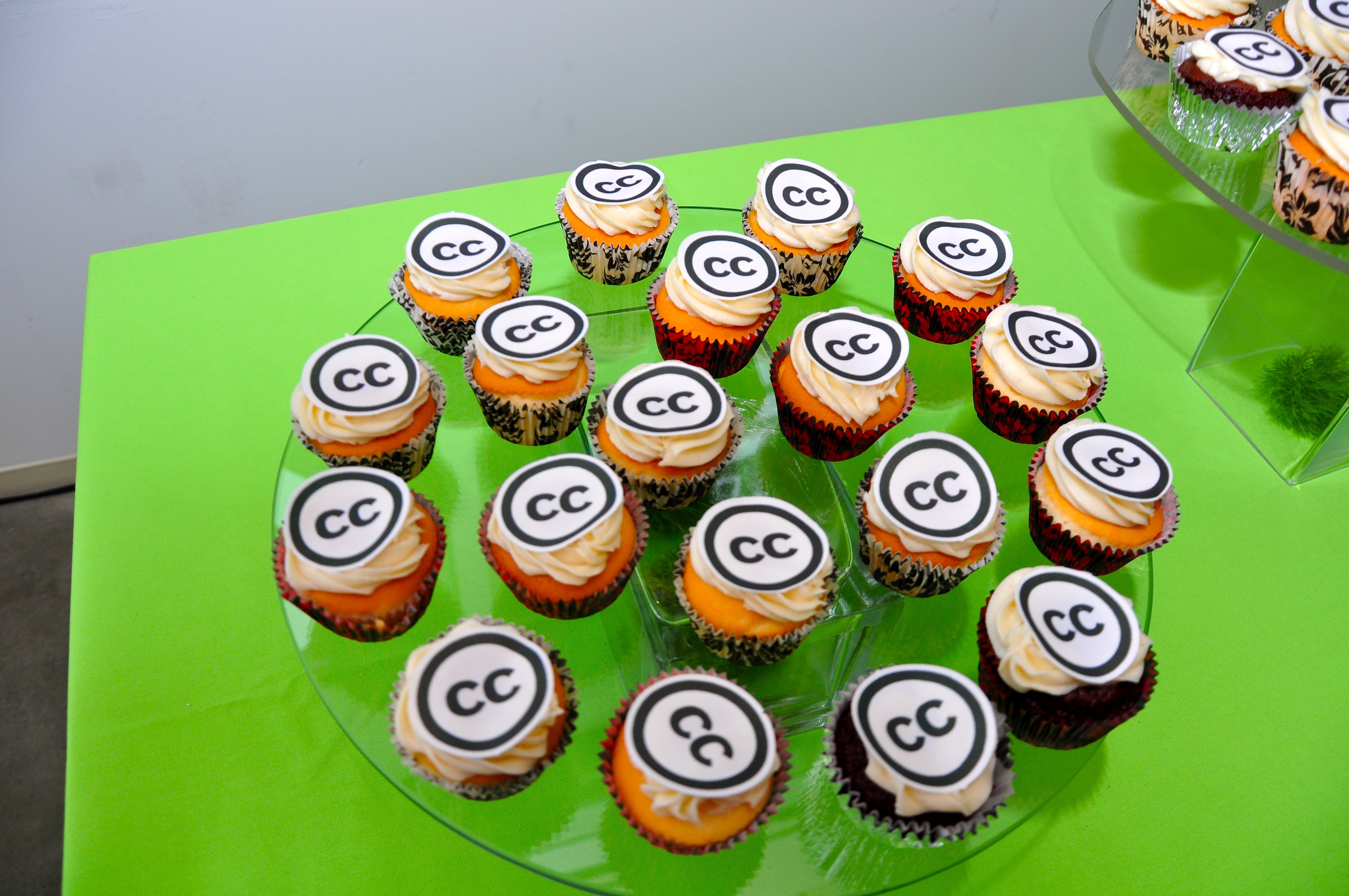
📝 A great attribution example:
"Creative Commons 10th Birthday Celebration San Francisco" by Timothy Vollmer is licensed under CC BY 4.0
Let’s go through TASL:
Title? "Creative Commons 10th Birthday Celebration San Francisco"
Author? "Timothy Vollmer" - linked to his profile page
Source? "Creative Commons 10th Birthday Celebration San Francisco" - linked to original Flickr page
License? "CC BY 4.0" - linked to license deed
✅ This attribution includes all the relevant information provided by the author.
📝 A pretty good attribution example:
Let’s go through TASL:
Title? Title is not noted but at least the source is linked.
Author? "Timothy Vollmer"
Source? "Photo" - linked to original Flickr page
License? "CC BY" - linked to license deed
❕ This attribution still includes all the essential TASL elements, even though they may not mirror the format of credit the author has requested.
📝 An incorrect attribution example:
Photo: Creative Commons
Let’s go through TASL:
Title? Title of the image is not noted
Author? Author is not noted (It is a common mistake to attribute CC-licensed photos to CC, but Creative Commons is not the author!)
Source? No link to the original source
License? There is no mention of a license nor a link to the license. "Creative Commons" is the name of an organization — it does not equate to any of the licenses maintained by the Creative Commons.
📝 A great attribution example for an image you slightly modified:
"Creative Commons 10th Birthday Celebration San Francisco" by Timothy Vollmer, used under CC BY 4.0 / Cropped from original
✅ Information on Title, Author, Source, and License are all included as requested by the author. The slight modification is also noted and briefly described.
📝 A great attribution example for when you have created an adaptation:
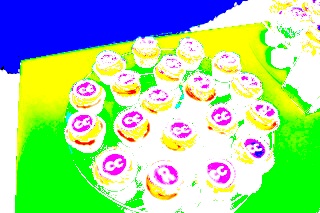
This work, "90fied", is adapted from "Creative Commons 10th Birthday Celebration San Francisco" by Timothy Vollmer, used under CC BY 4.0. "90fied" is licensed under CC BY 4.0 by [Name].
Let’s go through TASL:
Original Title, Author, Source, and License are all noted.
✅ The original work is referenced and the fact that it is an adaptation is also noted, so viewers can see what has changed.
✅ The author and other attribution information for the new adapted work is also noted.
Documenting the Source of Digital Assets
💡 When working on projects, campaigns, educational materials, or digital products, it is useful to keep track of where content comes from.
📝 Good documentation practices include:
• Recording the original source;
• Saving links to licenses;
• Noting any modifications made to the content;
• Keeping records of permissions received from creators.
✅ These practices reduce legal risks and make collaboration easier.
Key Takeaways
💡 Before using content created by someone else: Ownership of AI-generated content is divided into two distinct frameworks: legal copyright and platform terms of service.
✔️ Check who owns it.
✔️ Look for licensing information.
✔️ Provide proper attribution.
✔️ Use only what is necessary.
✔️ Seek permission when in doubt.
✔️ Respect the rights of creators, just as you would want your own work respected.
Shape the Future.
Mint the Change.