
COMMUNICATION
COMMUNICATION
Section outline
-
-
This is your space to ask, share, and connect.
Got a question? Post it.
Have an idea? Share it.
Want to help someone? Jump in!Keep it respectful, stay on topic, and let’s make this space active and useful for everyone.
-
-
This quiz has been conceived to familiarize with the course's topics and the fundational concepts of "good communication". Read each question and choose the most appropriate anwer in your view!
-
-
In the digital era, pervasive diffusion of any kind of digitl tool to carry out activities, is a peculiarity of our today's life. Every day new tools popping up, for supporting us in doing better in a more effective and efficient way our routines, at work, at home and in every social moment we have.
These tools can be usefull support for sure, but, on the other hand it is crucial to learn how to use them in a proper and secure way, Efficiency and efficacy are not the only words we should consider, but also safey, security in carry out so-called "digital communication". First and for most, despite the fact that communication is a very human activity, digital communication requires the respect of a panel of rules, known under the name of "NETIQUETTE".
Exploring the resources provided below, you will better understand what netiquette implies. besides, staying on line and interat withmany different tolls in different digital environments, it is quite demanding for eveyone. In terms of skills and capacities, every person need so-called "multiliteracy skills":
In fact, we increasingly engage with texts that draw meaning beyond written words from other sources. Images, sound, video clips and gestures (alone and in combination) all play central roles in how we communicate and interpret content.
This multimedia approach is especially evident in online platforms and social media, where a single piece of content may blend written language with videos, graphics, photos and other visual elements. This change requires us to rethink what we mean by literacy. If you would lioke to learn more about multi literacy and its relevance, check this publication.
A very intersting article is also this
-
Students mustMark as done
Socialization is an innate human need.
The individual finds himself/herself in a social environment as soon as he/she is born. As human beings communicate with those around them, they become aware of the existence of some social regulators such as laws, moral rules, and traditions that regulate the relationships they establish.
Among these rules, etiquette rules have a special place. Etiquette rules are the rules of respect and courtesy that should be shown sensitivity in interpersonal relations. Although they do not have legal sanctions such as the rules of law, when the rules of etiquette are violated, the person is shamed, excluded from society, and left alone. Today, in addition to face-to-face communication, there is a very intense socialization on digital platforms. Interpersonal communication evolved into a different internet-based relationship network. The rules called Netiquette, in the simplest definition, are regulations that beautify and protect social relations established through the internet.
Digital platforms are not environments where freedoms are experienced unlimitedly and without rules. It should not be forgotten that only the environment is virtual, but the people are real. In other words, the rules of social behavior that regulate our relationships in our daily lives also apply to the communication we establish through the internet.
Acting in a manner sensitive to the rules of etiquette when communicating with others over the Internet will further strengthen social relations, while the opposite situation will lead to the termination of existing relationships.
-
Have a look at the video, to better understand what netiquette is and why is beneficial to be followed by everyone of us while communicating online!
-
-
-
-
Intercultural teams refer to groups of individuals from diverse cultural backgrounds, working together toward a common goal or objective. These teams consist of members with different languages, beliefs, customs, values, and communication styles. The importance of intercultural teams lies in their ability to leverage this diversity as a strength, fostering a rich pool of perspectives, experiences, and knowledge. Such teams play a crucial role in today's globalized world, where organizations operate on an international scale, and cultural differences are inevitable.
The significance of intercultural teams includes:
Enhanced Problem-Solving: Intercultural teams bring together individuals with unique problem-solving approaches, increasing the likelihood of innovative and comprehensive solutions.
Increased Creativity and Innovation: The exchange of diverse ideas and perspectives promotes creativity, leading to a more innovative work environment.
Improved Communication and Adaptability: Interacting with people from various cultures enhances team members' communication skills and adaptability, making them more effective collaborators.
Cultural Exchange and Learning: Intercultural teams offer opportunities for members to learn about each other's cultures, fostering mutual respect and appreciation.
On the other hand, to express the above-mentioned addedd value, multicultural teams ofter face challenges, especially in the building process. They might encounter:
- Communication Barriers: Language differences and communication styles can lead to misunderstandings and misinterpretations.
- Conflicting Norms and Values: Conflicting cultural norms and values may cause clashes within the team.
- Stereotyping and Bias: Preconceived notions about certain cultures may lead to bias and hinder effective collaboration.
- Power Imbalance: Cultural differences can sometimes result in power imbalances within the team, affecting decision-making and cooperation.
- Resistance to Change: Some team members may be resistant to embracing diversity, viewing it as a threat to the status quo.
Cultural dimensions refer to the aspects of culture that influence individuals' behaviors, beliefs, and communication styles. These dimensions help us understand how cultures differ from one another and why certain practices are more prevalent in some societies than others. Some widely recognized cultural dimensions include individualism vs. collectivism, power distance, uncertainty avoidance, masculinity vs. femininity, and long-term vs. short-term orientation.
Understanding cultural dimensions and variations is essential for effective intercultural communication and collaboration. By recognizing and appreciating cultural differences, individuals can adapt their communication styles, manage expectations, and build positive relationships across cultures.
So-called "Cultural Intelligence" (CQ) refers to the ability to interact and work effectively with people from different cultural backgrounds. Developing cultural intelligence enables individuals to adapt, understand, and function in multicultural environments. Culturally intelligent individuals can recognize cultural differences, navigate cultural challenges, and build meaningful connections across cultures.
Given that Cultural intelligence is fundamental working and/or managing multicultural teams, a sort of requirement to be able to actively participate in, reserach also confirm that multicultural teams are more cretaive compated to homogeneus teams, especially those with deep-level diversity. For sure, on the other hand, multicultural teams can encounter difficulties in cooperation, due to linguistic barriers, but, with proper support and enough tema, the interaction might be smooth and productive. If you would like to explore more on how to manage and interact with multicultural teams, look at the video here ("Managing Multicultural teams"):
Making a step forward, according to Deloitte, every professional, worker and especially leader, must have specific capacities and skills to work in multicultural environments and to motivate multicultural teams. This skills are visulaised in the table below (source: Six signature traits of inclusive leadership | Deloitte Insights)
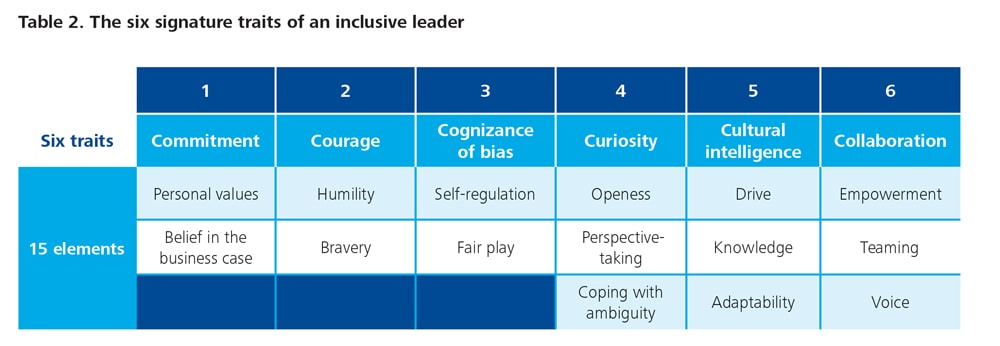
In short, if you would like to actively take part in effective multicultura teans, you should consider the above mentione skills as "critical" or fundational. Those skills are also crucial for effective team management and to reach set common goals. More in detail:
- Be goal-oriented: this means to have clear in mind what you have to reach in terms of results by cooperating with others, to b committed, convinced and even, to be able to orient others' activities and behaviours (leadership).
- Be curious: curiosity is essential to stay open and to see new opportunities. Curiosity means exploration, and finding out-of-the-box solutions.
- Cultivate self-determination and empowerment: we have been living in challenging times, working in teams can be a valuable way of facing complexity, (complex problems, complex projects, etc.), but the capacity of stay motivated in the long run, even in front of difficulties which might happen, stay focused on the result to be obtained, managing our own resourses/capacities, pays a crucial role in the process.
- Active listing: working with other is great because everyone can bring different perspectives, different way of thinking and feeling. Diversity is a value and it is important to listen to the others, to get this potenatial reachness in analysing questions, facts and problems.
-
-
Students mustMark as done
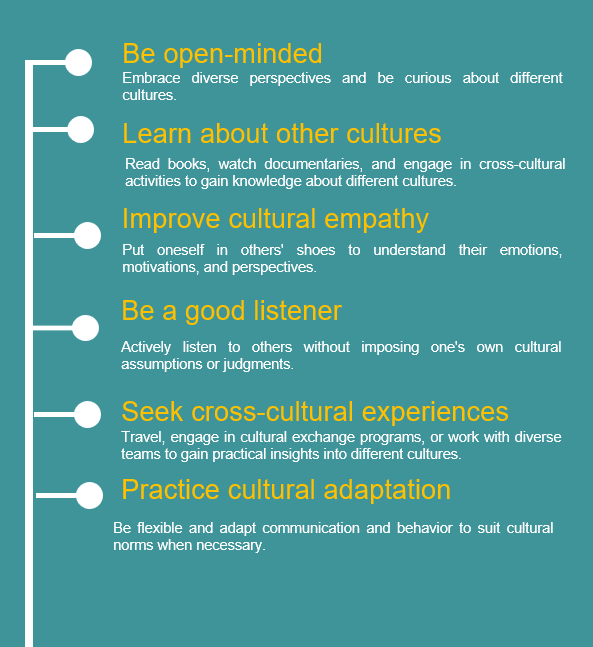
Follow these steps to reinforce your cultural intelligence!
-
-
-
Effective teamwork is essential in every organization as it plays a pivotal role. When individuals with shared interests, goals, and mindsets unite, they create a cohesive team. This team endeavors to pool their strengths and capabilities to tackle challenges with utmost dedication and efficiency. In this Learning Unit you will learn more reguarding "teams work dynamics".
First of all, let's see together ho we can define "the related concepts of "team working" and team building"
Teamwork in Business Dictionary - “the process of working collaboratively with a group of people in order to achieve a goal.”
Team Building in Business Dictionary as the “ability to identify and motivate individual employees to form a team that stays together, works together, and achieves together.”
Kurt Lewin noted in the early 1940s that people often take on distinct roles and behaviors when they work in a group. "Group dynamics" describes the effects of these roles and behaviors on other group members, and on the group as a whole. When dynamics are positive, the group works well together. When dynamics are poor, the group's effectiveness is reduced.
A group with a positive dynamic is easy to spot. Team members trust one another, they work towards a collective decision, and they hold one another accountable for making things happen. As well as this, researchers have found that when a team has a positive dynamic, its members are nearly twice as creative as an average group. In a group with poor group dynamics, people's behavior disrupts work. As a result, the group may not come to any decision, or it may make the wrong choice, because group members could not explore options effectively.
Understanding and managing group dynamics is vital for fostering effective teamwork.
It is possible to identify a set of steps which are recurrent in team working establishing processes, such as:Forming
- Discussing tasks and roles
- Setting out expectations
- Goal setting
- Brainstorming ideas
- Discussing alternatives
- Completing tasks and duties
- Making a decision
- Implementing the solution
- Evaluating performance
Crossing those steps is fundamental for a new team willing to cooperate and join forces with passion, committment and a clear structure.
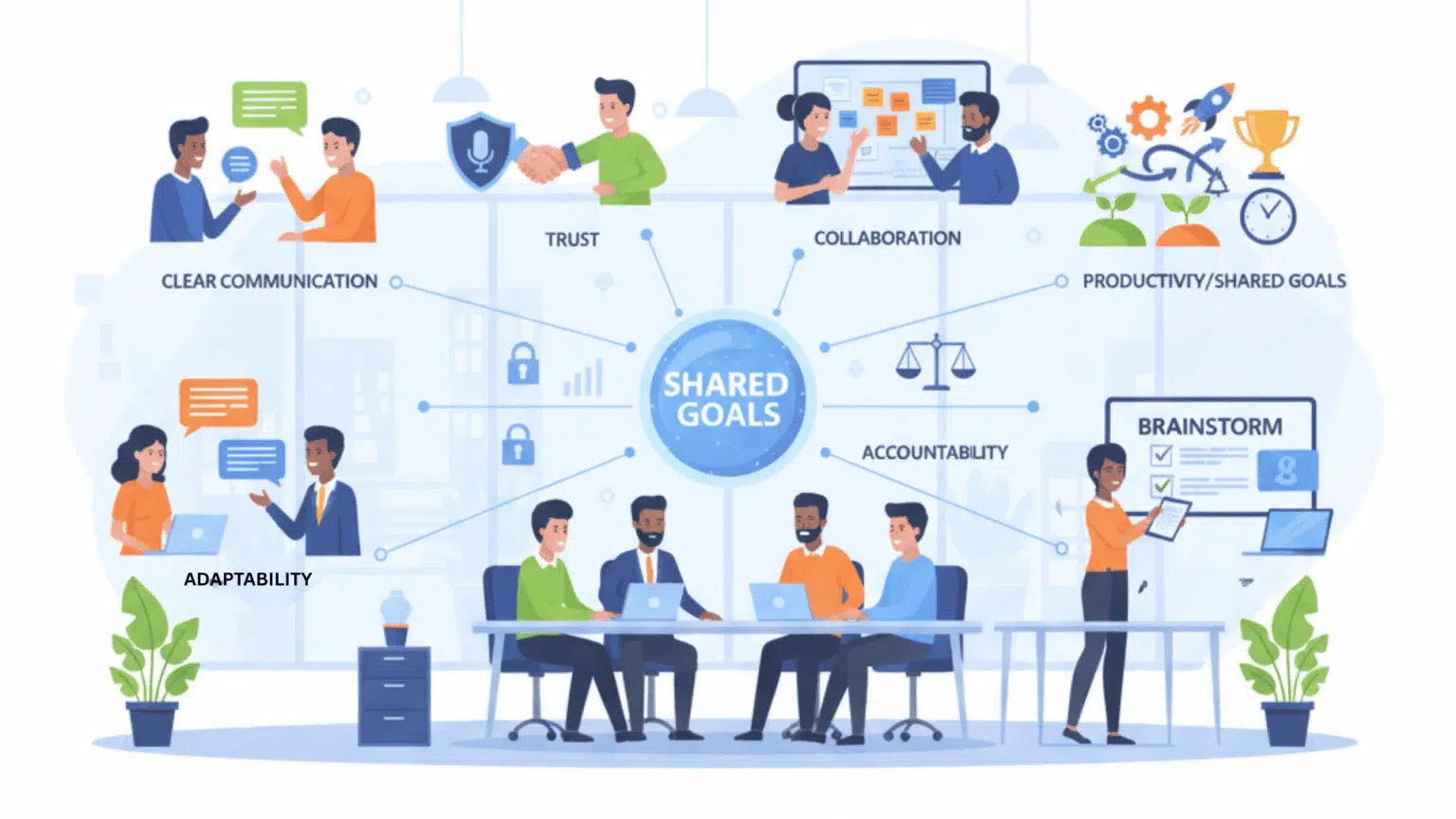
cC Case studies focused on effectiveness of teams dynamics, identify the following key elements a proof of productive and efficient teams:
Comunication
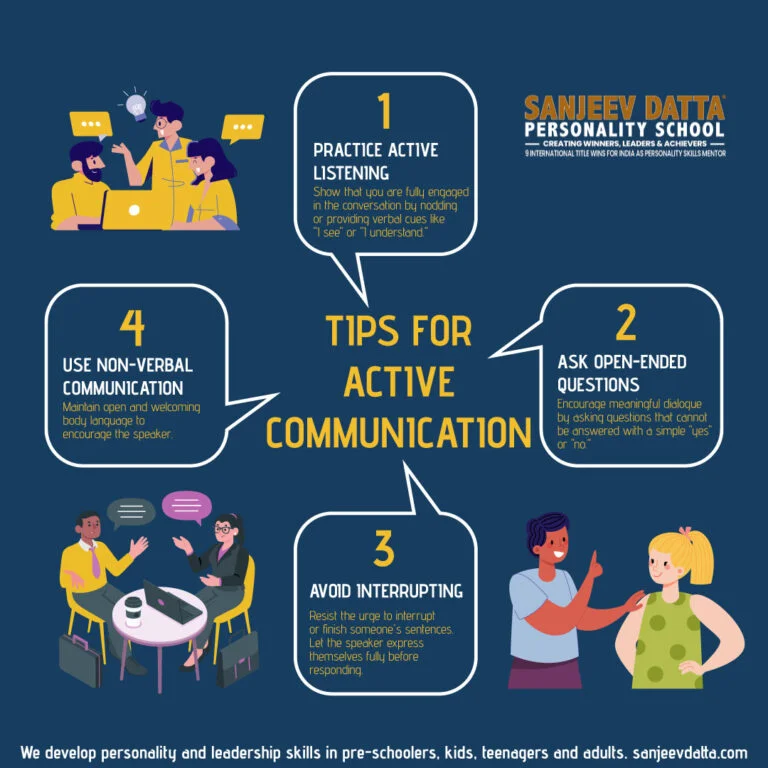
o Clear communication is essential in every effective team. Team members must express their ideas openly and listen attentively to each other. To be clear, communication must respect, rules, both in case of in person working teams and remote working teams. In case of remote cooperation, through digital tools, you have learned yeat abou "netiquette".
Trust
Trust is essential for fostering an open and collaborative environment.
When team members trust each other, they are more likely to share ideas, ask for help, and take risks.
This builds confidence within the team and encourages innovative thinking, creating a stronger, more effective group dynamic.
Adaptability:
An effective team is adaptable to change. Whether facing new challenges, shifting priorities, or unexpected obstacles, adaptable teams can pivot and adjust their approach as needed. Flexibility helps teams stay resilient and continue progressing, even when circumstances change.
Shared goals:
Having shared goals is crucial for team alignment. When everyone is working toward the same objectives, there’s a sense of purpose that drives motivation and focus.
If
-
Students mustMark as done
Look at the video, explaining the peculiarities of a team and what is requested by each member to have an effective team capable to reach the expected common goals"
-
Students mustMark as done
Read the experience of Apollo 11 teams from a perspective of collaboration and dynamics, which made this teams great and successful!
-
Check your learning through this quiz and have fun in the meanwhile!
-
-
-
-
Communication is a very natural funcition of human and living beings. It has been the filed of study of many disciplines, according to the "type" of communication.
Look at the video here to briefly explore those types of communication and the so-called "pyramid of communication":
Now, as a second step, it my be good to reflect on what you know about "communication". To make it more interactive , please, look at the video here below. Before doing this, take paper and pen... even in the digital era, they can be hlpful to reflect!:
As a third step, please what the following videos and reflect on barriers to good communication:
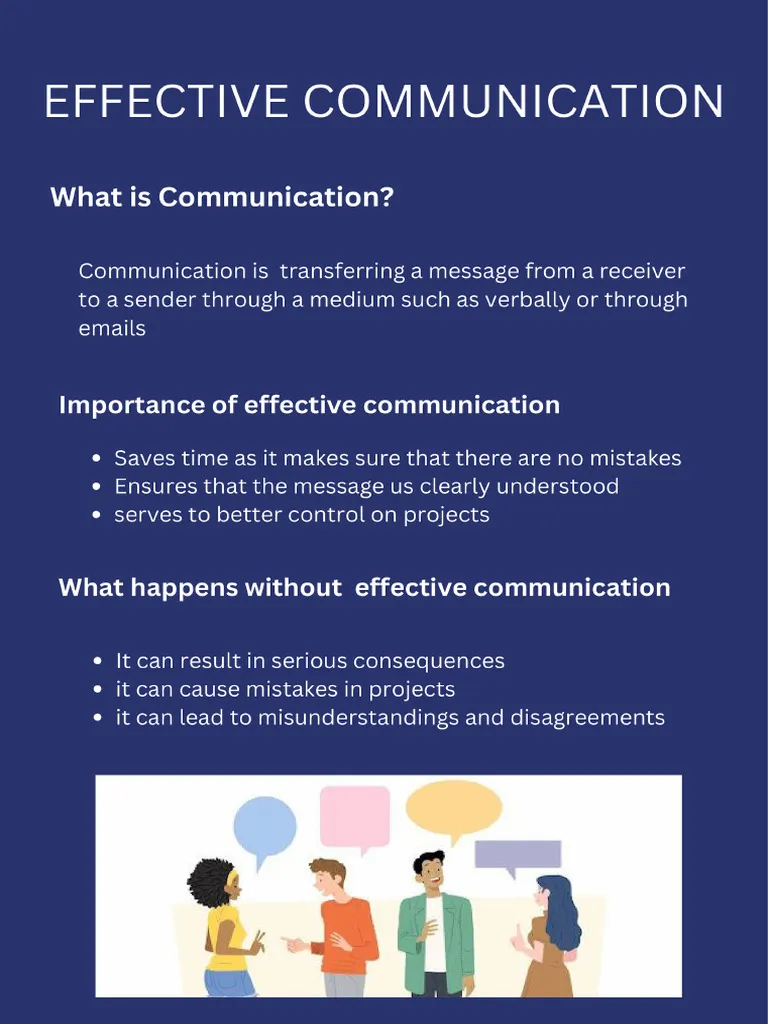
At this stage, let's go trugh a presentation to systematise what is "effective communication" and what we have to take under control during communication processes, especially interpersonal communication. Please, pay attention to the ingredients for an"effective communication".
-
Students mustMark as done
-
Students mustMark as done
-
-
-
📖 Key Readings/Resources
This section has the most important materials connected to the course.
Here you’ll find:
-
📖 Key readings
-
🎥 Helpful videos
-
🔗 Useful links and tools
Use these resources to go deeper, understand the topics better, and level up your knowledge.
If you want to explore more — this is the place to start.
To learn more about digital ethics:
Explore the TechEthics Video Library - IEEE TechEthics
To reflect on Safe Digital Practices in a perspective of critical thinking continuous excercise for responsible Digital Citizenship:
To learn about European Commission's measures and intervention's framework to protect people, especially youngsters and vulnerable ones interacting in online environments:
Protecting and empowering young people online | Shaping Europe’s digital future
To better understand the concept of "Digital Citizenship", you can read this article: Digital Citizenship Skills | StopBullying.gov
You can access other deepening resources here:
-
Valdez, A. (2023). Effective Communication Strategies in the Digital Age. Journal of Organizational Culture Communications and Conflict, 27(S5), 1-3. Effective Communication Strategies in the Digital Age
-
Amal el Attari, PhD in Management science and engineering Student at Nanjing University of Information Science and Technology (December 2024), Impact of Online Work Communication Strategies on Employee Productivity, DOI: 10.47772/IJRISS.2024.803435S
-
NonViolent Communication by Marshal Rosenberg : Animated Book Summary, Video, (2019),
-
UNICEF, Planning & running online engagement sessions Top tips Online session planning | Child Friendly Cities & Communities | UNICEF UK
-
What is netiquette? (video)
-
-
🎓 COURSE FINAL ASSIGMENT
It is time to bring it all together. As you reach the finish line of this course, take this final assessment to review the key concepts we’ve covered across our entire journey. This ultimate knowledge check will solidify your learning and ensure you are fully equipped to apply these new strategies to build and scale your own project.
Successfully completing this evaluation is your final milestone — it not only validates your hard work but also serves as your official stepping stone into the NFT Innovation Labs, where you will turn theory into real-world action.Upon completion of the course, the student receives the following certificates:
Certificate of Completion / Certificate of Achievement
Confirms that the student has engaged with the course content and completed all required assessments, including passing the final test.
Received Credits: 1
-
✅ COURSE FINAL ASSIGMENT Quiz
Final assessment to complete this course.
Passing grade is required to earn certificate and credits.
Passing grade: 50% and more.
-

Shape the Future.
Mint the Change.