
When most people hear about NFTs (Non-Fungible Tokens), they think of expensive digital art or internet trends. But NFTs are not just about collecting — they can also be powerful tools for social change. One real-life example shows how digital creativity can make a real-world impact.
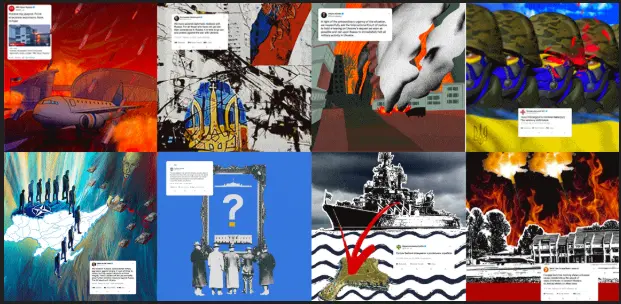
In 2022, during the war in Ukraine, the Ukrainian government launched an initiative called the “Meta History: Museum of War.” Instead of a traditional museum, this was a digital collection of NFTs that told the story of the war through art. Each NFT represented a real event — combining images, animations, and short descriptions of what happened.
People from all over the world could buy these NFTs. But this wasn’t just about owning digital art — the money raised went directly to support humanitarian aid and help rebuild the country.
So how did NFTs make this possible?
NFTs use blockchain technology to prove ownership and authenticity. This means that every purchase is transparent and traceable. Buyers know exactly where their money is going, and organizers can show how funds are used. This level of trust is especially important in times of crisis, when people want to be sure their donations are making a real difference.
What made this project special?
First, it turned awareness into action. Instead of just reading news, people could actively support a cause by purchasing something meaningful.
Second, it reached a global audience. NFTs are digital, so anyone with internet access could participate — no borders, no complicated donation systems.
Third, it connected art and storytelling with impact. Each NFT wasn’t just a file; it was a piece of history, preserving important moments while helping fund recovery efforts.
What are the benefits of using NFTs in social causes?
Transparency is a major advantage. Blockchain records every transaction, reducing the risk of misuse of funds.
Speed is another benefit. Traditional fundraising can take time, but NFT sales can generate support almost instantly.
Engagement also improves. Younger audiences, especially those interested in technology and digital art, are more likely to participate in causes that feel modern and interactive.
Finally, it creates a lasting record. Unlike traditional donations, NFTs remain as digital items that continue to tell a story long after the campaign ends.
Why should young people care?
Because this shows that technology is not just for entertainment — it can be used to solve real problems. NFTs combine creativity, technology, and social impact in a way that feels relevant to today’s digital generation.
You don’t need to be an expert to get involved. Understanding how these tools work can help you support causes you care about — or even start your own initiatives in the future.
Learn more:
NFTs are more than digital collectibles. In the right hands, they can become powerful tools for change — proving that even virtual art can make a very real difference.