
Branding, Content and Ethics
Writing engaging copy for posts, bios, and NFT descriptions
In the previous lesson, we explored how visuals attract attention. However, visuals alone are not enough. The words we use help people understand the story, purpose, and impact behind a project.
In this lesson, we will learn how to write clear, engaging, and meaningful content for social media, NFT platforms, and digital communities.
Why Words Matter in Digital Communication
A Visual Gets Attention — A Story Creates Connection
Online audiences need to quickly understand:
- What is this?
- Why should I care?
- How can I participate?
Strong copy helps:
✅Explain the purpose
✅Build trust
✅Create emotions
✅Encourage action
✅Strengthen community
A person may notice your image first, but the text often determines whether they continue exploring the project.
Especially in social-impact projects, people need to understand the meaning behind the NFT and the change it supports.
What Is Copywriting?
Copywriting = Writing With a Purpose
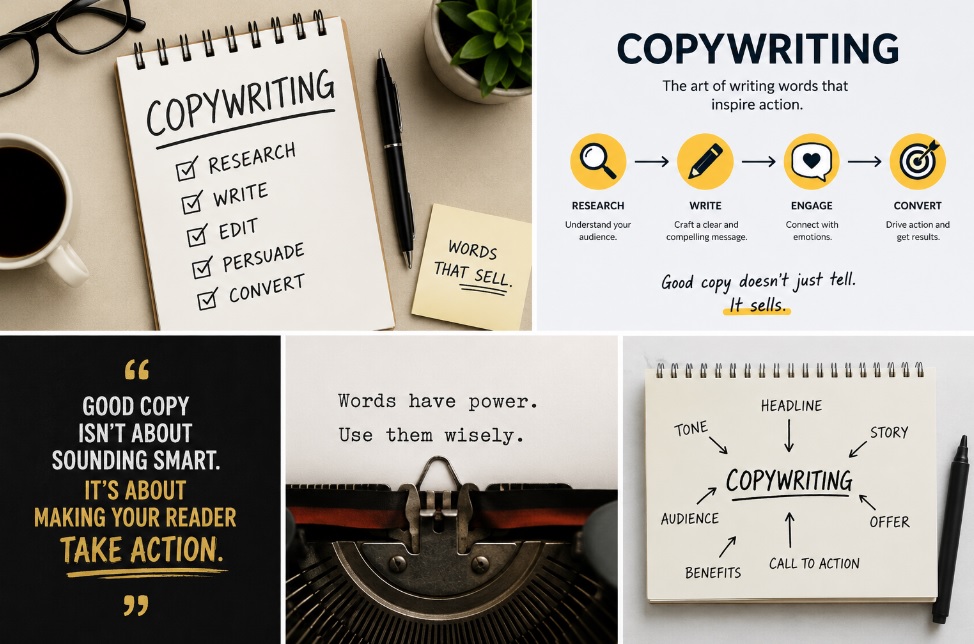
Copywriting is the process of creating text that encourages people to think, feel, or take action.
Examples:
Social media post ➡️ encourages engagement
NFT description ➡️ explains value and meaning
Bio ➡️ introduces identity and purpose
Campaign message ➡️ motivates support
Copywriting is different from ordinary writing.
The goal is not simply to provide information. The goal is to communicate in a way that creates connection and encourages a response.
The Formula for Effective Digital Copy
Attention ➡️ Interest ➡️ Emotion ➡️ Action
Attention - A strong opening that makes people stop.
Interest - Explain the idea clearly.
Emotion - Show why it matters.
Action - Tell people what they can do next.
Example:
❌ Weak: "We created a new NFT collection."
✅ Strong: "Every digital artwork tells a story. Our NFT collection supports young creators by turning creativity into opportunity."
Many online messages fail because they start with information instead of meaning.
A strong message first captures attention, then explains the purpose.
Understanding Your Audience
Before Writing, Ask:
Who am I speaking to?
Possible audiences:
- NFT collectors
- Supporters of social causes
- Young digital communities
- Donors and organizations
- General social media users
Audience influences:
- Language style
- Tone
- Message length
- Platform choice
The same project can be communicated differently depending on who you want to reach.
For example:
A collector may care about uniqueness and creativity.
A supporter may care more about social impact and change.
Tone of Voice
How Should Your Project Sound?
Tone of voice is the personality behind your words.
Examples:
Professional
"Our project creates opportunities through digital innovation."
Emotional
"Behind every artwork is a story of hope, creativity, and change."
Friendly
"Join our community and be part of something meaningful."
The important thing is consistency. Your audience should recognize your communication style across posts, descriptions, and platforms.
Writing for Different Platforms
Different Platforms = Different Writing Styles
Focus: Emotion
Visual storytelling Community connection
Style: Short, engaging, conversational
X (Twitter)
Focus: Quick updates, Conversations, Community building
Style: Short, direct, impactful
NFT Marketplaces
Focus: Meaning, Value
Story behind the NFT
Style: More detailed and informative
One message should not simply be copied everywhere. Each platform has different audience expectations and communication habits.
Creating Strong Hooks
The First Sentence Matters
A hook is the opening line that captures attention.
Examples:
Question Hook
"What if one digital artwork could support a real-world change?"
Story Hook
"Behind this NFT is the journey of young creators transforming ideas into impact."
Problem Hook
"Millions of young people still lack access to digital opportunities."
People decide quickly whether content is worth their attention.
A strong opening creates curiosity and encourages people to continue reading.
Using Emotional Triggers
People Connect Through Emotions
Effective communication can create feelings such as:
- Hope
- Belonging
- Inspiration
- Empathy
- Curiosity
For social-impact projects:
Focus on:
- Human stories
- Real experiences
- Positive change
Avoid:
- Only presenting problems
- Making audiences feel powerless
Social-impact communication should show challenges but also highlight possibilities and solutions.
People are more likely to engage when they feel that their support can contribute to meaningful change.
Storytelling Structure for NFT Descriptions
Tell the Story Behind the NFT
A strong NFT description can follow:
1. Origin
Why was this project created?
2. Meaning
What does the artwork represent?
3. Impact
What change does it support?
4. Community
How can people become involved?
An NFT description should answer more than "what does it look like?"
It should explain why it exists and why people should care.
Example NFT Description
Before:
"This NFT collection contains 500 digital artworks created by artists."
After:
"This collection celebrates creativity as a tool for change. Each artwork represents the voices of young creators who believe digital opportunities should be accessible to everyone. A part of the project supports educational initiatives that help young people develop new skills."
The second example creates meaning.
It connects the artwork, the audience, and the social purpose.
The difference is storytelling.
Writing Effective Calls-to-Action (CTA)
Tell People What To Do Next
A call-to-action encourages participation.
Examples:
❌ Weak:
"Check our project."
✅ Strong:
"Join our community and help support digital opportunities for young people."
Examples of CTA:
Discover the collection
Support the mission
Share the story
Join the movement
Become part of the change
A good message should always guide the audience toward the next step.
Without a clear action, people may like the idea but not know how to participate.
Common Copywriting Mistakes
Avoid:
❌ Too much information
❌ Complicated language
❌ Generic messages
❌ No clear purpose
❌ Focusing only on features
❌ Forgetting the audience
Remember:
People remember stories more than facts.
The biggest mistake is writing only from the perspective of the creator.
Effective copy focuses on the audience:
What do they need to know?
What do they need to feel?
Why should they care?

Shape the Future.
Mint the Change.