
Active / Digital Participation & Online Expression
Core Reading: Netiquette for Change-Makers & Digital Well-Being
1. The Thin Line: Passionate Advocacy vs. Digital Toxicity
When you are deeply invested in a social cause, your digital voice becomes an extension of your values. However, the internet possesses an architectural feature known as the Online Disinhibition Effect—the psychological phenomenon where people say and do things online that they would never dream of doing or saying face-to-face behind the safety of a keyboard.
As digital citizens, we must distinguish between two very different forms of online expression:
-
Passionate Advocacy: Challenging ideas, presenting data-driven counter-arguments, exposing systemic injustices, and using sharp, creative messaging to push for structural change.
-
Digital Toxicity: Attacking the individual person (ad hominem), trolling, utilizing aggressive call-out culture to humiliate others, or engaging in cyberbullying under the guise of defending a good cause.
⚠️ The Golden Rule of Digital Leadership: The methods you use define your initiative. If you use toxic, manipulative, or polarizing communication tactics to fight for an ethical cause, you immediately compromise the integrity of your organization and alienate the very stakeholders you need to convince.
2. The Netiquette Framework for Digital Advocates
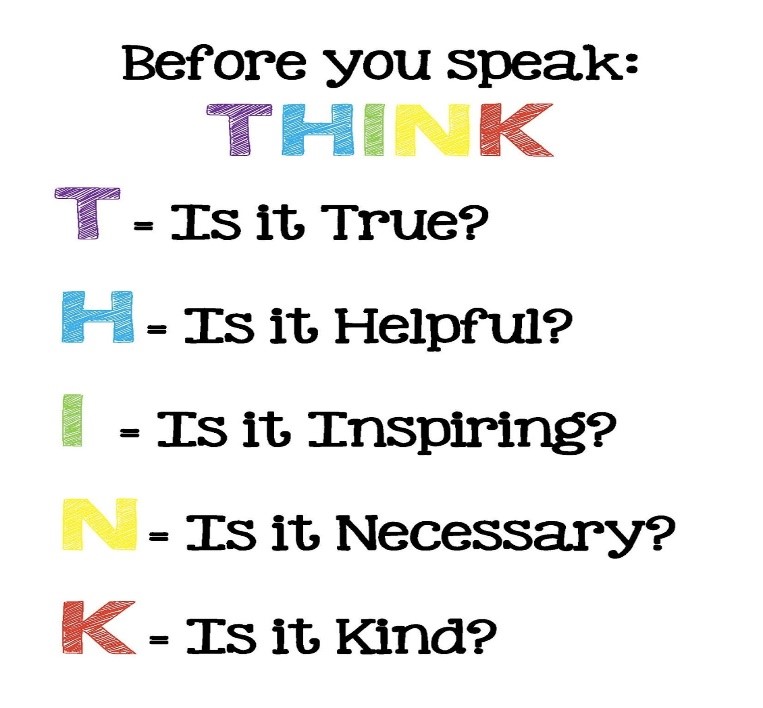
To ensure your digital initiatives remain influential, credible, and professional, utilize the T.H.I.N.K. framework before publishing any comment, caption, or public response during an online debate:
| Letter | Core Evaluation Criteria |
| T |
Is it True? Is your statement backed by objective data, or are you reacting to unverified emotional bait? |
| H |
Is it Helpful? Does your comment move the dialogue forward, or is it designed purely to insult or mock someone? |
| I |
Is it Inspiring? Does your message build community solidarity, or does it merely feed into toxic polarization? |
| N |
Is it Necessary? Does adding your voice to this specific flame-war serve your project canvas, or is it a distraction? |
| K | Is it Kind? Can you challenge the opposing perspective firmly while still respecting the human being behind the screen? |
Practicing Non-Violent Communication (NVC) Online
When your project page encounters negative comments, bad-faith critics, or opposing viewpoints, structure your public responses using these three steps:
-
State Objective Facts: Address the issue without using emotionally charged or accusatory adjectives.
-
Express the Shared Value: Connect the conversation back to a universal human need or community goal (e.g., public safety, transparent education, youth inclusion).
-
Offer a Constructive Path: Invite the critic into a structured, polite space for dialogue rather than engaging in an endless comment-section battle.
3. Digital Well-Being: Guarding Against Activist Burnout
Digital advocacy is not a sprint; it is a marathon. Constantly interacting with intense social problems, dealing with online resistance, and managing community grievances can rapidly lead to digital burnout, screen fatigue, and emotional exhaustion.
To protect your mental space while coordinating projects, implement these two foundational well-being practices:
-
Establish Hard Boundaries: Set explicit "digital curfew" hours where you step entirely away from your project's notification screens. Being an advocate does not mean being accessible 24/7.
-
Distinguish Between Critique and Trolling: Genuine critiques from community members deserve an objective, professional response. Targeted trolling from bad-faith actors deserves a swift block or mute. Learning to ignore bad-faith actors is a crucial survival skill for digital project coordinators.
Reflection Call-Out Box
Think about your own digital footprint. Have you ever let your passion trick you into writing an aggressive comment that you later regretted?
Right below this text, we are going to dive into the "Anatomy of a Conflict" Case Study Forum, where we will dissect a real-world online dispute and rewrite it using professional Netiquette!

Shape the Future.
Mint the Change.